
Auction vs Private Treaty: Which Suits You?
The way a property is sold changes almost everything about how you should approach it. Auctions and private treaty sales reward different skills and different levels of preparation.
Auctions: public, fast, and unconditional
If you buy at auction, there’s generally no cooling-off period and no finance clause — your finance needs to be sorted before you raise your hand. This is one reason having a clear picture of your borrowing capacity matters well before auction day, not the morning of.
- Set a firm ceiling price before you arrive, and write it down
- Watch the auctioneer’s vendor bids, they’re used to build momentum
- Arrive early and watch a few other auctions first if you’re new to it

Private treaty: slower, but more room to negotiate
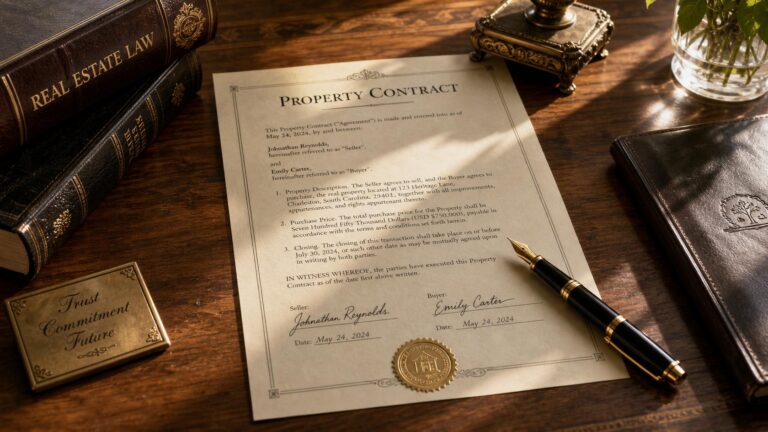
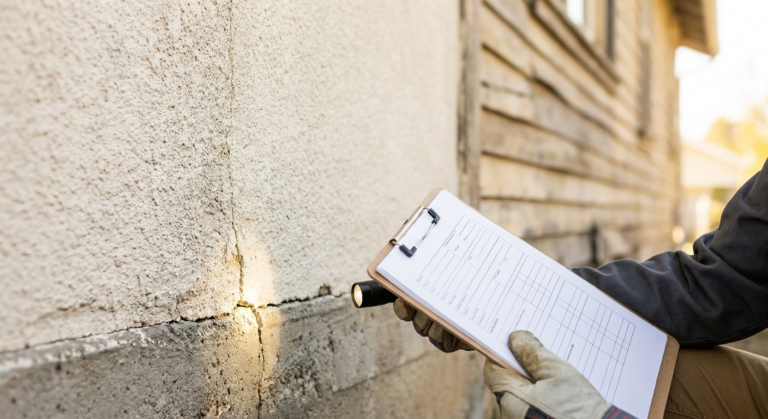
Private treaty sales are listed at a price (or price range) and negotiated directly, usually with a cooling-off period attached — see our guide to how that works. This gives you more room to include conditions like finance approval or a building and pest inspection.
Where a buyer’s agent earns their fee
Both processes reward preparation and a cool head, which is exactly what a buyer’s agent is meant to bring. Firms such as Strike and Investeps Property work across both sale types — see our breakdown of what a buyer’s agent actually does if you’re weighing up whether to use one.
Which one will you face?
Check the listing type before you do anything else — it determines whether you’re preparing to negotiate or preparing to bid. For the full purchase process, see our first-home buyer’s guide.