What Happens During the Cooling-Off Period (and What to Check)
A cooling-off period is a short window after signing a contract of sale where a buyer can withdraw, usually subject to a penalty. The details — length, penalty amount, and whether it applies at all — vary by state and by sale method, so treat the following as a general framework rather than the specific rule for your contract.
Where it typically doesn’t apply
Most states remove the cooling-off period entirely for properties bought at auction, and sometimes for the days immediately before an auction too. If you’re buying at auction, see our auction vs private treaty guide — by the time you’re bidding, your finance and inspections need to already be sorted.
What to use the window for
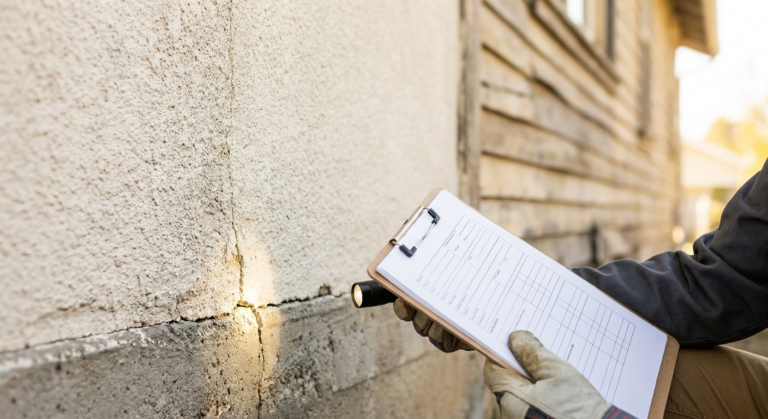
- Finalising building and pest inspection results — see what these inspections do and don’t catch
- Confirming finance approval, not just pre-approval
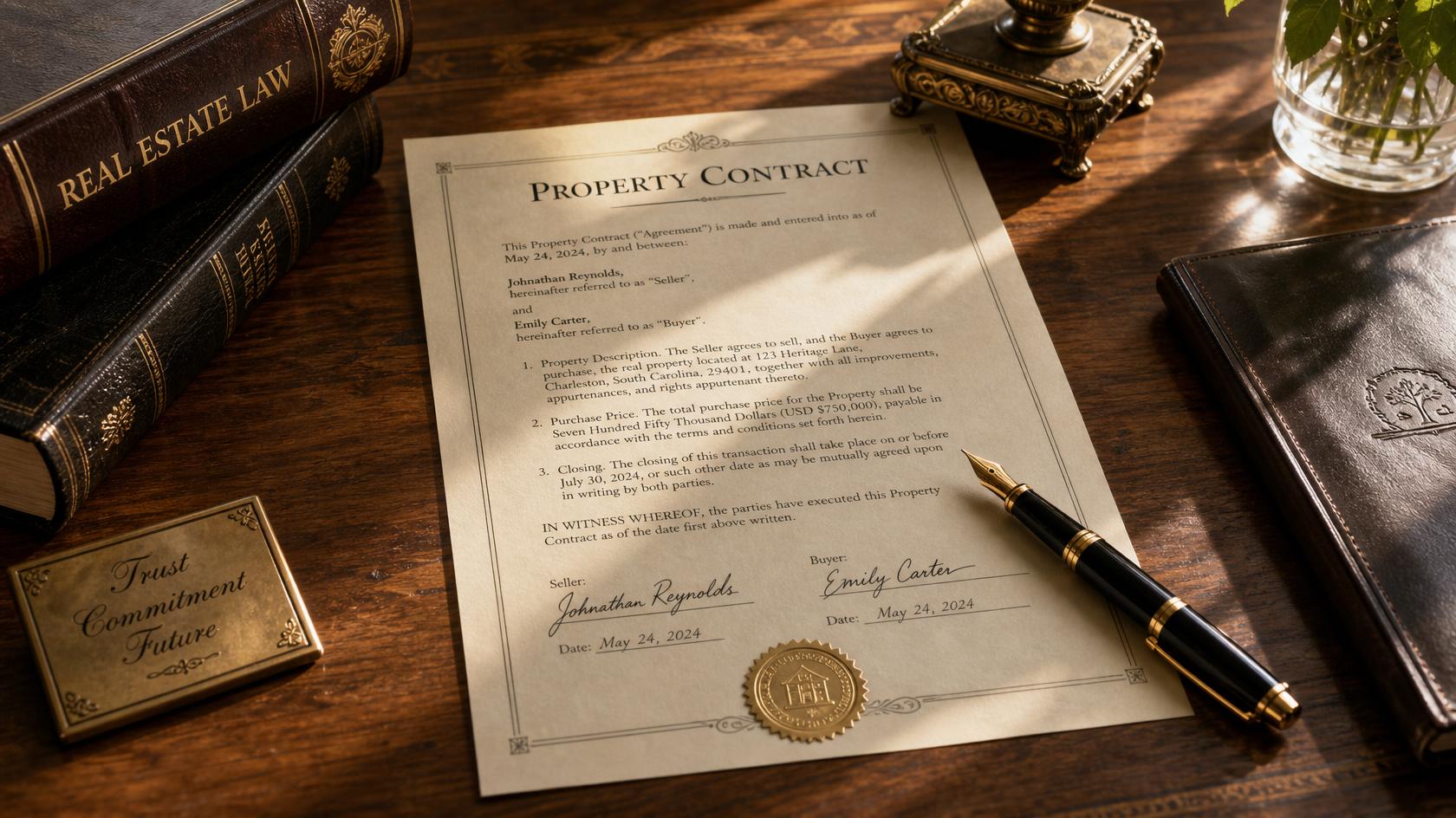
- A final read of the contract with a conveyancer or solicitor
Always confirm the specific rule that applies to you
Because cooling-off rules are set at the state level and change from time to time, check your state government’s consumer affairs or fair trading website for the current rule before you sign, rather than relying on a general guide like this one.
Not a substitute for legal advice
This is general information, not legal advice for your specific contract. A conveyancer or property lawyer can confirm exactly what applies before you sign. For the wider purchase process, see our first-home buyer’s guide.